
A bathroom renovation can make a home feel completely different. New tile, a better shower, and fresh fixtures can make the space look great. Then, a few days later, the shower drains slowly or the toilet starts leaking. That is frustrating. Searching for an expert plumber in Tequesta may be the next step, but first it helps to understand why these problems happen in the first place. Sometimes the renovation causes the issue. Sometimes it simply exposes an old plumbing problem that was already waiting to surface.
Why Can Bathroom Renovation Lead to Plumbing Problems?
Bathroom renovations involve a lot of movement around plumbing. Fixtures are removed. Pipes may be shifted. Drains can be moved. New faucets and toilets are connected. In some projects, walls and flooring are opened to reach pipes that have been untouched for years.
That work can put stress on old connections. For example, an older pipe may already be worn but still working. During renovation, it gets moved slightly or connected to a new fitting. A small leak then appears.
There is also the simple problem of debris. Dust, grout, bits of material, and other construction waste can end up near open drains. A little debris may not seem like much, but it can contribute to a slow drain later.
So, a plumbing problem after renovation does not automatically mean the contractor did a bad job. It could be related to the new installation, the old plumbing, or a combination of both.
That distinction matters before blaming anyone or starting another repair.
6 Common Plumbing Problems That May Appear After a Bathroom Renovation
Some post-renovation problems are obvious. Others start small and become more noticeable with regular use.
Here are the ones homeowners tend to notice most.
1. Slow or Frequently Clogged Drains
A slow drain can be one of the first signs that something went wrong during the renovation.
Construction debris is one possible reason. Small amounts of grout, dust, or other material can enter an uncovered drain during the work.
A changed drain layout can also cause trouble if it was not installed properly.
For example, if a shower was moved to another part of the bathroom, the new drain connection needs to be set up correctly. A poor connection or drainage design can leave water moving more slowly than it should.
If the shower continues filling with water or the sink takes too long to drain, the blockage may be deeper in the system.
2. Leaking Faucets and Fixtures
A brand-new faucet should not be dripping.
Still, leaks can happen around new fixtures. A seal may not be seated properly. A connection may be loose. A fitting may not match the existing plumbing as expected.
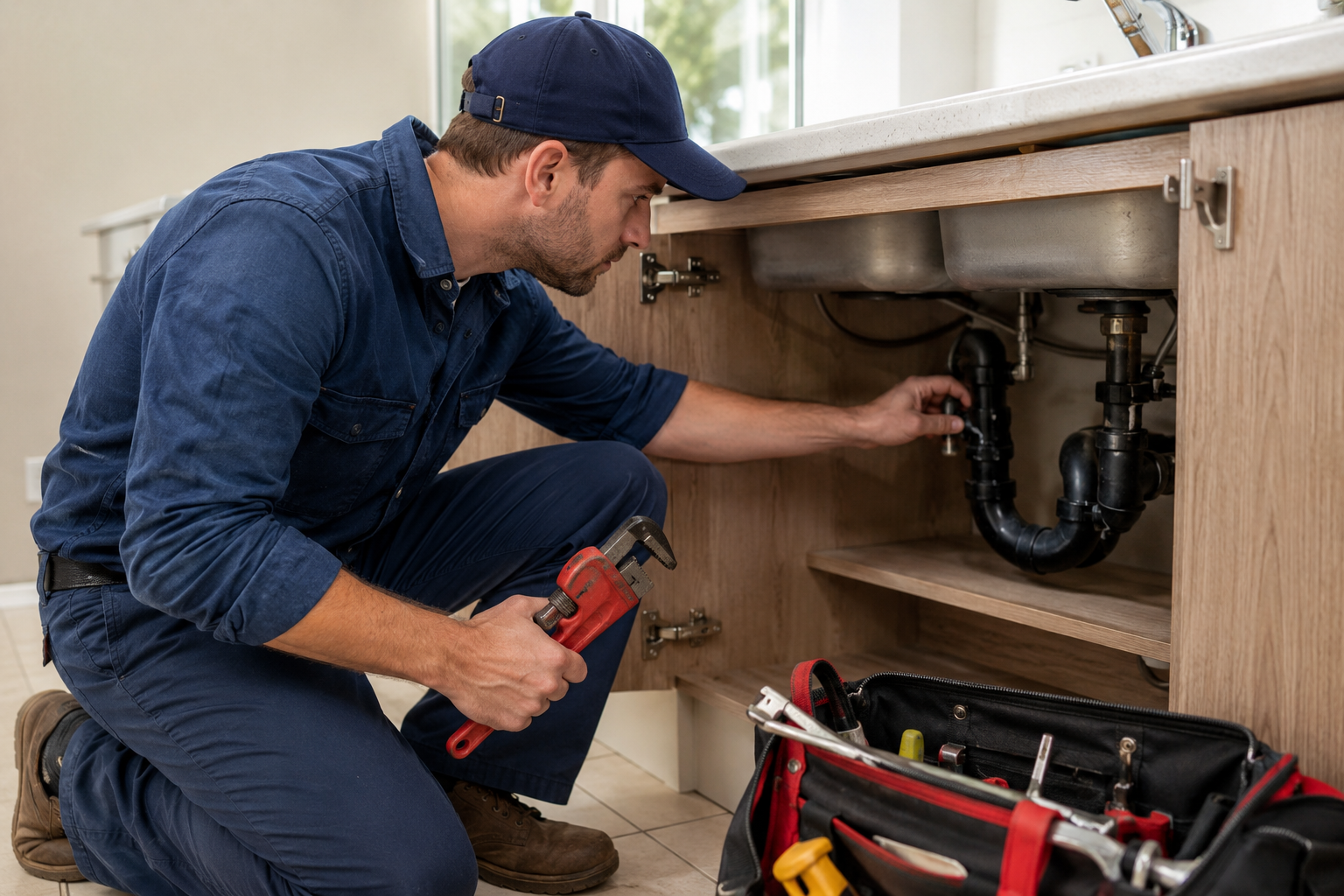
Check underneath the sink after running the faucet. Look around the base of the fixture and exposed connections for moisture.
A small drip is easy to dismiss, especially when everything else in the bathroom looks new. That is usually a mistake.
Water does not need to form a large puddle to cause trouble. It can slowly reach cabinets, flooring, or nearby materials.
3. Low or Uneven Water Pressure
A renovated bathroom may suddenly have weaker water pressure at the shower or sink.
There are several possible reasons. A shutoff valve may not be completely open. Debris may have reached a faucet aerator or showerhead. A connection may also have an issue.
Start by comparing the affected fixture with another one in the home.
If only the new shower has weak pressure, the problem may be limited to that fixture. If several fixtures have suddenly lost pressure, the cause could be somewhere beyond the renovated bathroom.
This is one of those situations where guessing can waste time. A quick inspection can often narrow down whether the issue is with the fixture or the plumbing supplying it.
4. Toilet Leaks or Flushing Problems
Toilets are often removed during bathroom renovations, particularly when the flooring is replaced.
That means the toilet has to be reconnected and sealed correctly.
A leak around the toilet base is a warning sign. The toilet may also rock slightly, keep running, or flush differently than it did before.
A small amount of water around the base should not be ignored. The leak may be coming from the seal underneath, where it is not immediately visible.
5. Strange Plumbing Noises
Not every strange plumbing noise means something serious.
But if the bathroom was quiet before the renovation and suddenly starts making banging, rattling, humming, or knocking sounds, it is worth paying attention.
Changes in water flow can sometimes create new sounds. A loose component or plumbing connection may also be involved.
Try to identify when the noise happens.
Does it start when the shower turns on? Does it happen when the toilet flushes? Does the banging happen when a faucet is quickly turned off?
Those details can make the problem easier to track down.
6. Water Leaks Behind Walls or Under Flooring
This is the problem that deserves the most attention.
A leak behind a wall may not be visible at first. Instead, homeowners might notice a musty smell, damp flooring, discoloration, bubbling paint, or unexplained moisture.
Sometimes there is no obvious sign until the damage becomes more serious.
A hidden leak can come from a pipe, fitting, fixture connection, or another part of the plumbing system.
Do not start cutting into walls just to search for the leak unless there is a clear reason to do so. The water may be coming from somewhere different from where the damage appears.
A professional plumber can inspect the system and help locate the source.
What Renovation Mistakes Can Cause Plumbing Problems?
Some hidden plumbing problems really can be connected to renovation work.
Common examples include:
Debris entering drains: Open drains can collect construction material.
Loose plumbing connections: A fitting that is not properly secured may begin leaking after regular use.
Incorrect fixture installation: New toilets, faucets, showers, and other fixtures need proper connections and seals.
Incompatible fittings: New plumbing parts need to work with the existing system.
Changes to drain layouts: Moving a fixture changes the way its drain connects to the existing plumbing.
Reusing worn plumbing: Old pipes and valves may already be in poor condition.
Closing walls too quickly: Problems are much easier to find while pipes are still accessible.
One of the best things that can be done during a renovation is testing the plumbing before everything gets covered.
It is much easier to fix a leaking connection while the wall is open than after new tile has been installed.
Are the Problems Caused by the Renovation or Old Plumbing?
This question comes up often, and there is no single answer.
Imagine a bathroom with old pipes. The homeowner replaces the shower, moves a sink, and installs new flooring. A pipe starts leaking shortly afterward.
Was the pipe damaged during the renovation? Maybe.
Was it already worn and simply happened to fail around the same time? Also possible.
That is why timing alone does not prove the cause.
Look at what was actually changed. Was the affected pipe moved? Was the fixture replaced? Was an old valve reused? Did the problem start immediately or weeks later?
These details can help separate a renovation-related issue from an aging plumbing problem.
When the source is hidden, a professional inspection is usually more useful than trying to guess.
What Should You Do When a Plumbing Problem Appears After Renovation?
First, do not panic. Start by documenting the problem. Take a picture of visible water or a short video if a fixture is behaving strangely. Note when the issue happens and which fixture seems connected to it.
For minor problems, homeowners can safely check a few things:
Look under the sink for moisture.
Check exposed connections for dripping.
Make sure accessible shutoff valves are open.
Remove visible debris from drain covers.
Check around the toilet base after flushing.
Compare water pressure with another fixture.
If there is an active leak, shut off the water supply to that fixture if it can be done safely.
Do not keep using a fixture that is causing significant leakage.
For water behind walls, under flooring, or around electrical components, professional help is the safer choice. The same applies when the cause cannot be identified.
It is also worth contacting the contractor who handled the renovation. They may be able to explain what plumbing was changed and whether the issue could be related to the work.
How Can Homeowners Prevent Plumbing Problems During a Bathroom Remodel?
The best time to think about plumbing problems is before the renovation is finished.
If the plumbing is old, have it inspected before covering everything with new flooring or walls. This can reveal worn valves, questionable connections, or other issues that may be easier to address while the bathroom is already being remodeled.
During construction, drains should be protected from debris.
New fixtures should also be installed according to their requirements. A new faucet or toilet is not always a simple plug-and-play replacement for an older fixture.
Testing is another step that should not be rushed.
Run the shower. Use the sink. Flush the toilet. Check exposed connections. Look underneath cabinets. Pay attention to drainage and water pressure.
If something seems wrong while the plumbing is still accessible, fix it then.
That is far better than discovering the same issue after the final tile has gone in.
When Is It Time to Call a Professional Plumber?
Some plumbing problems are simple enough to identify at home. Others are not.
Call a professional plumber when:
A leak keeps coming back.
Water is appearing behind a wall or below the floor.
A drain repeatedly becomes clogged.
Water pressure suddenly changes.
A toilet leaks around its base.
Unusual pipe noises continue.
Several fixtures develop problems at once.
There are signs of water damage.
The source of a leak cannot be found.
A professional can determine whether the issue involves a fixture, pipe, drain, fitting, valve, or another part of the system. The main goal is not just to stop the visible symptom. It is to find out why it happened. For example, repeatedly clearing a slow drain is not much help if the actual issue is a problem farther down the drain line.
Final Thoughts
Plumbing problems after a bathroom renovation are frustrating, but they are not always a sign that the entire project went wrong. Sometimes construction debris causes a blockage. Sometimes a new fixture has a connection problem. And sometimes old plumbing simply reaches its breaking point after years of use.
The smartest approach is to pay attention to what changed and avoid jumping straight to assumptions. Check simple, accessible issues when it is safe to do so. For hidden leaks, persistent problems, or anything that could cause water damage, a professional inspection is usually the better choice.
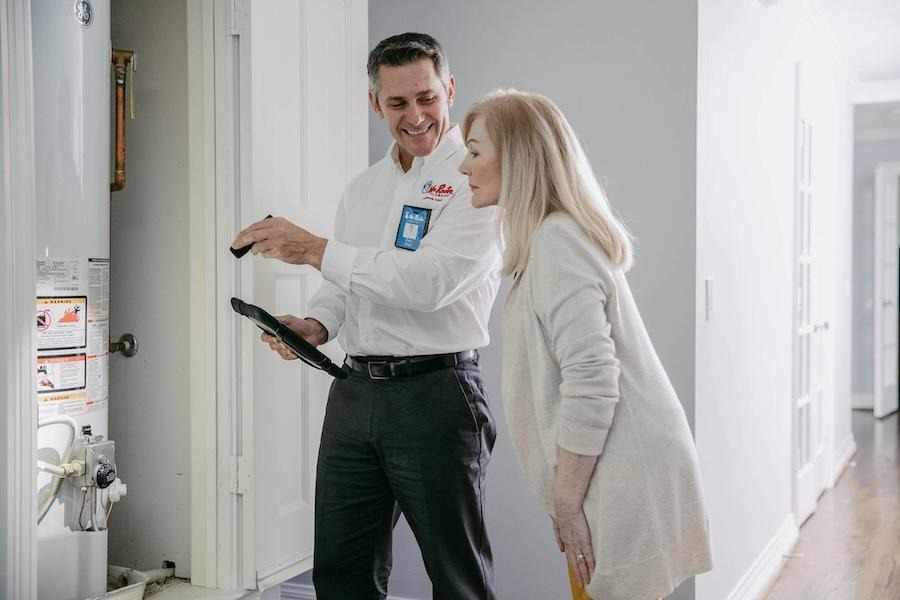
A renovated bathroom should be enjoyed, not spent worrying about what is dripping behind the wall. If a plumbing issue does appear, Mr. Rooter Plumbing of Hollywood can help homeowners investigate the problem and determine what needs to be done next.

Write a comment ...